Unrealised enquiries are common in B2B manufacturing
Unrealised enquiries are a structural reality in B2B manufacturing. They are not a sign of weak sales teams or poor market fit. They are a predictable outcome of long buying cycles complex decision making and risk-averse procurement behaviour. Yet many manufacturers underestimate both the scale of unrealised enquiries and the commercial value locked inside them.
Understanding why unrealised enquiries occur and how they can be managed more strategically is essential for manufacturers operating in competitive domestic and global markets.
What are unrealised enquiries
An unrealised enquiry is a legitimate expression of interest that does not convert into an immediate order. In manufacturing this can include quotation requests technical feasibility discussions sample requests specification reviews or early procurement conversations that later go quiet.
These enquiries are rarely dead. More often they are paused delayed or deprioritised due to internal factors within the buyer’s organisation rather than a rejection of the supplier.
Why unrealised enquiries are so common in manufacturing
B2B manufacturing operates under conditions that naturally generate unrealised enquiries.
Long and layered decision cycles
Unlike transactional sales manufacturing purchases often require approval from engineering procurement finance compliance and senior management. A single enquiry may need to pass through multiple internal gates before it can progress. Any delay at one stage can stall the entire process.
Capital expenditure sensitivity
Many manufacturing orders involve high upfront costs tooling investment or long-term supply commitments. Buyers may explore options well in advance of budget approval or capital allocation. This creates early enquiries that cannot yet convert.
Specification uncertainty
In custom or semi-custom manufacturing buyers often refine specifications over time. Early enquiries may be exploratory while designs materials volumes or standards are still under development.
Market volatility
Fluctuations in demand raw material pricing shipping costs or regulatory conditions can cause buyers to pause purchasing decisions even after engaging suppliers.
Supplier comparison behaviour
Manufacturers are frequently benchmarked against multiple competitors across different regions. A buyer may engage several suppliers simultaneously then go quiet while internal comparisons are made.
The hidden cost of ignoring unrealised enquiries
Many manufacturers treat unrealised enquiries as closed chapters. Once a follow-up email goes unanswered the opportunity is mentally written off and the record grows cold.
This approach creates several problems.
First it inflates the cost of acquisition. Considerable time and expertise may have been invested in technical discussions quotations and feasibility work. Writing off these enquiries wastes that investment.
Second it distorts pipeline forecasting. Unrealised enquiries are often removed entirely from visibility despite representing future potential rather than lost deals.
Third it leaves revenue vulnerable to competitors. Buyers who pause do not stop thinking. If another supplier maintains light professional contact they may win the eventual order by default.
Unrealised does not mean uninterested
A critical mindset shift is recognising that unrealised enquiries are usually timing issues not intent issues.
In manufacturing buyers often re-engage months later once budgets are approved designs are finalised or internal priorities change. When this happens suppliers who remained visible appear reliable proactive and easy to work with.
Silence should not be interpreted as rejection. In many cases it is simply operational noise inside the buyer’s organisation.
Common reasons buyers go quiet
Manufacturers consistently report similar explanations when paused enquiries later resurface.
Budget approval was delayed
Internal stakeholders were unavailable
Project scope changed temporarily
Customer demand softened then returned
Procurement reprioritised other contracts
Management requested further comparison
None of these invalidate the original enquiry.
Managing unrealised enquiries strategically
Effective manufacturers build systems that assume unrealised enquiries will occur and plan for them accordingly.
Segment enquiry stages clearly
Not all unrealised enquiries are equal. A request for a detailed quotation or sample carries more future value than a generic website form. Segmenting by depth of engagement allows smarter follow-up.
Maintain low-pressure contact
Periodic non-intrusive follow-ups such as project check-ins capacity updates or availability notices keep the relationship warm without forcing a decision.
Preserve technical context
When buyers return months later they expect continuity. Detailed records of specifications discussions and constraints reduce friction and demonstrate professionalism.
Treat follow-up as service not sales
Manufacturing buyers respond better to helpful continuity than aggressive selling. Position follow-ups as support for their internal process.
Accept long timelines as normal
A mature manufacturing operation measures success over quarters and years not days. Unrealised enquiries are part of that cadence.
Turning unrealised enquiries into future revenue
Manufacturers who systematically manage unrealised enquiries often find that a significant portion of future orders originate from past conversations rather than new leads.
These buyers already understand the capability pricing structure and communication style of the supplier. Trust has begun even if the transaction has not.
In effect unrealised enquiries form a shadow pipeline that rewards patience consistency and professionalism.
Conclusion
Unrealised enquiries are not a failure of sales execution. They are a natural outcome of how B2B manufacturing purchasing decisions are made.
Manufacturers who acknowledge this reality and build processes around it gain a measurable advantage. They reduce wasted effort improve forecasting stability and capture revenue that competitors quietly abandon.
The question is not whether unrealised enquiries exist. It is whether they are being ignored or managed with intent.
About Solis Web Tech
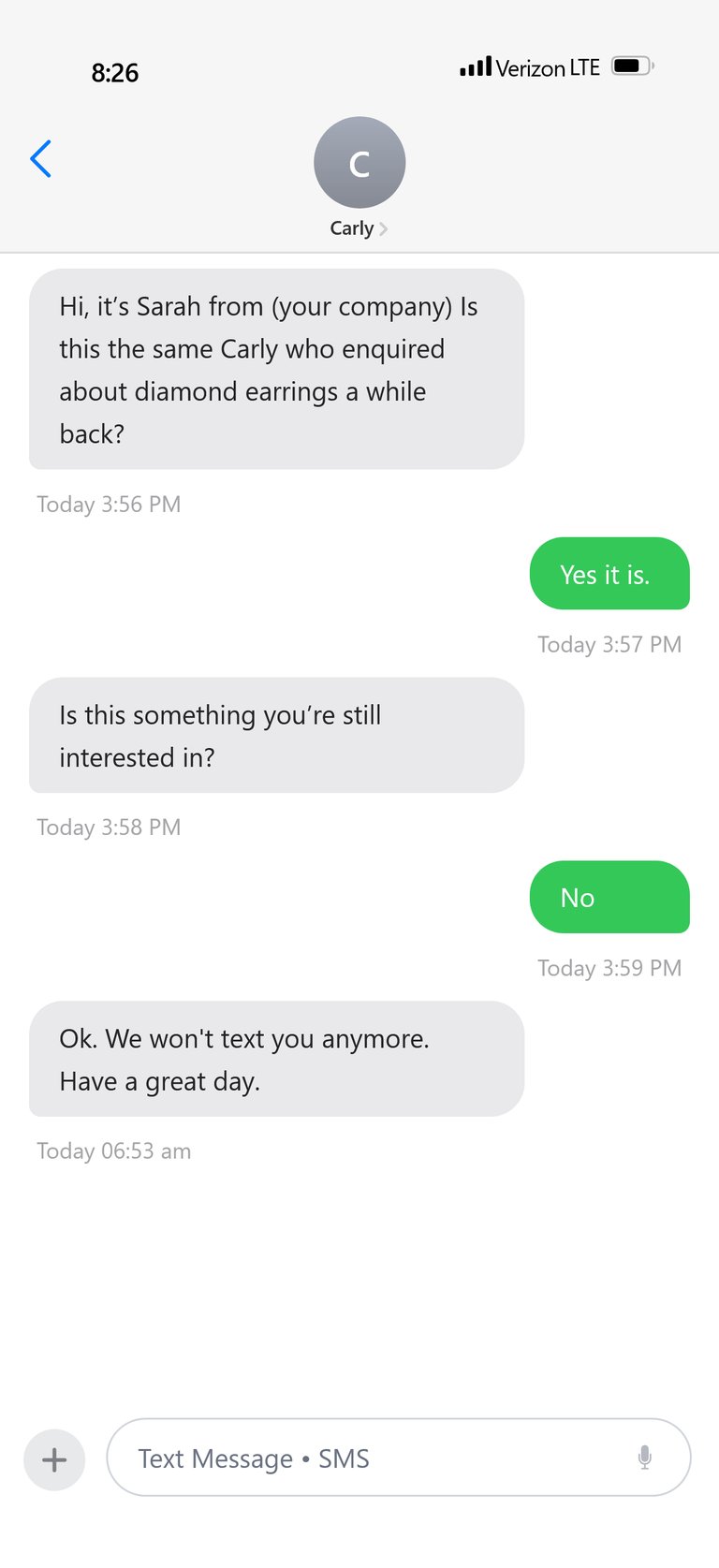
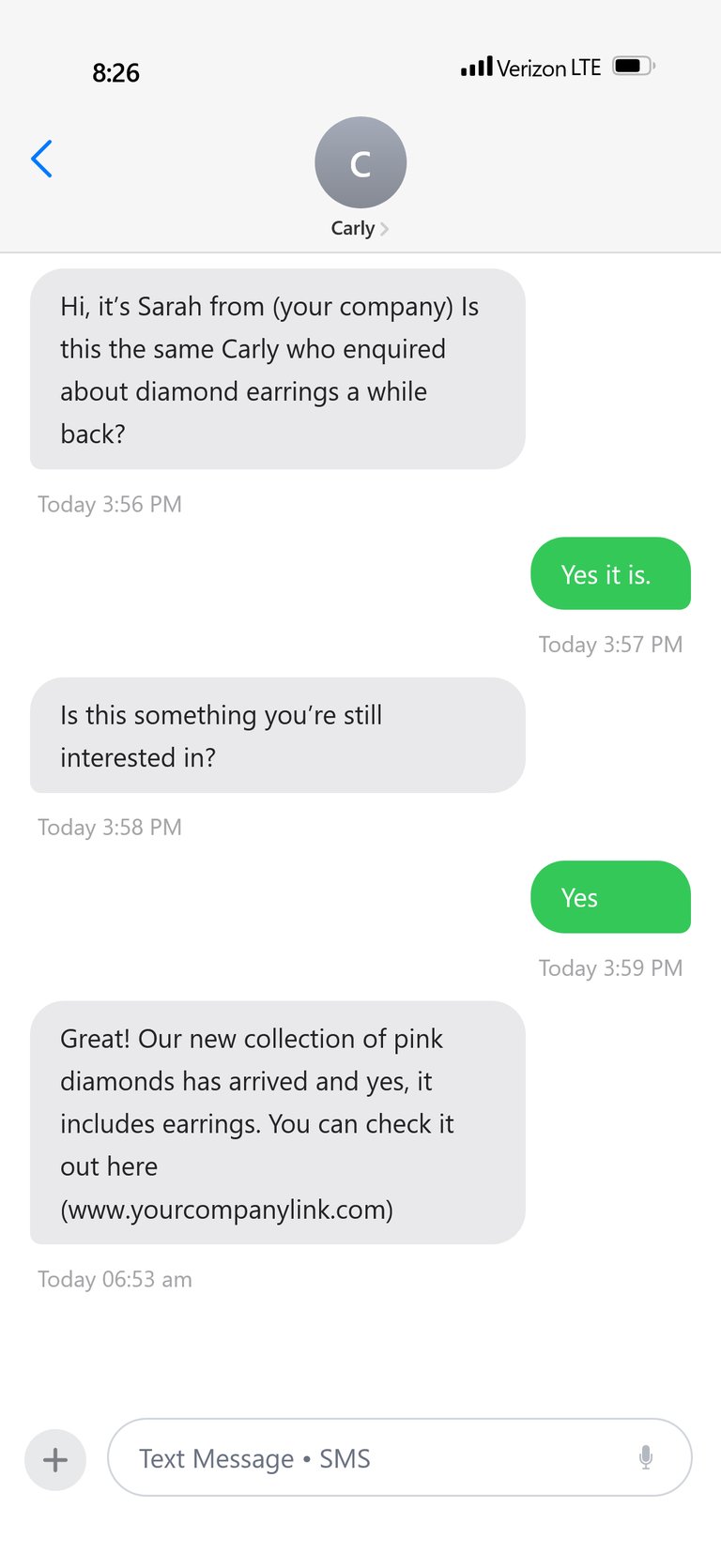
At Solis Web Tech, we help jewellery store owners and gemstone traders use AI marketing to drive engagement, reactivation and revenue. Our AI + SMS systems reach out to dormant databases through natural, conversational messaging that sounds human while being entirely automated.
All messages align with your brand tone and values while tracking every result in real time. There are no upfront costs. We work on a performance-only basis, meaning we win when you win.
Solis is designed for jewellers and gemstone dealers who value considered growth and clear follow-up. Making sure genuine enquiries are not quietly forgotten is a core part of our work, shaped by more than 30 years of hands-on marketing experience in high-trust, high-value sales. The approach is deliberately low-key and respectful, supporting your existing sales conversations without adding noise or complexity. If you would like to see how this works in practice, you can find me on LinkedIn and request a complimentary demonstration video.
How It Works
Contact Us
sylvana@soliswebtech.com
© 2025. All rights reserved.