Multiple channels almost always equals fragmented enquiry handling
Modern businesses are encouraged to be everywhere. Website forms social media DMs SMS email phone calls WhatsApp live chat and third-party marketplaces are all promoted as essential enquiry channels. While this approach increases surface-level reach it almost always introduces a quieter more damaging problem.
Fragmented enquiry handling.
When enquiries arrive across multiple channels without a unified system to manage them the result is not more opportunity. It is lost context delayed responses duplicated effort and unrealised revenue.
The multi-channel illusion
On paper multiple channels look like growth. Each new touchpoint appears to reduce friction for prospects and increase inbound volume. In reality each channel introduces its own inbox notifications workflows and response habits.
Unless these channels are actively unified they operate in parallel silos.
A website enquiry may sit unanswered while a social DM receives a reply. An SMS enquiry might be handled by one staff member while an email thread goes cold. Over time no single person has a complete picture of who enquired what they wanted or where the conversation stalled.
Fragmentation is rarely visible
The most dangerous aspect of fragmented enquiry handling is that it does not look like a problem from the inside.
Staff feel busy. Messages are being answered. Notifications are firing. CRM notes may even exist. Yet customers experience inconsistency silence or repetition.
From the prospect’s perspective this feels disorganised and high risk. In B2B and high-value consumer sectors that perception alone is enough to stop momentum.
Common symptoms of fragmented enquiry handling
Businesses dealing with this issue often report similar patterns.
Enquiries are answered twice or not at all
Customers repeat the same information across channels
Staff are unsure who last replied
Follow-ups depend on memory rather than process
Older enquiries quietly disappear
Reporting cannot show true conversion rates
None of these are caused by poor staff performance. They are structural problems.
Why fragmentation increases unrealised enquiries
When enquiry handling is fragmented follow-up becomes optional rather than inevitable.
A missed reply is not flagged. A paused conversation has no reminder. A prospect who asked for time is never re-engaged. Over days and weeks these small gaps accumulate into a large pool of unrealised enquiries.
Importantly these are not low-quality leads. They are people who already took the step to engage.
Fragmentation does not reduce demand. It obscures it.
Multi-channel requires single-view control
The solution is not fewer channels. Customers expect choice and convenience.
The solution is a single system that sees all channels as one conversation history rather than separate message streams.
When enquiries are unified several things change immediately.
Every enquiry is visible regardless of origin
Context is preserved across time and staff
Follow-ups become systematic rather than reactive
Paused conversations remain accessible
Response quality improves without increasing workload
This is not about speed alone. It is about continuity.
Why manual fixes do not scale
Many businesses attempt to solve fragmentation with shared inboxes spreadsheets or internal rules. These work briefly then collapse under volume staff changes or growth.
Human memory does not scale. Sticky notes do not scale. Good intentions do not scale.
Only systems designed to track and re-engage conversations can handle the reality of multi-channel demand.
Fragmentation quietly erodes trust
From the outside fragmented enquiry handling feels like indifference even when effort is high behind the scenes.
A delayed reply or forgotten follow-up signals risk. In competitive markets prospects do not ask why. They simply move on.
Consistency is interpreted as competence. Fragmentation undermines both.
The Solis perspective
At Solis we see fragmented enquiry handling as one of the largest sources of unrealised revenue across B2B and high-value service businesses.
Most lost opportunities are not lost to competitors. They are lost to silence delay or disconnection.
When enquiries are treated as conversations rather than channels businesses regain control clarity and momentum without increasing ad spend or lead volume.
Conclusion
Multiple channels without unified handling almost always create fragmentation. Fragmentation almost always creates unrealised enquiries.
The businesses that grow sustainably are not the ones with the most channels. They are the ones that maintain continuity across every conversation regardless of where it starts.
If enquiries matter then how they are handled matters even more.
About Solis Web Tech
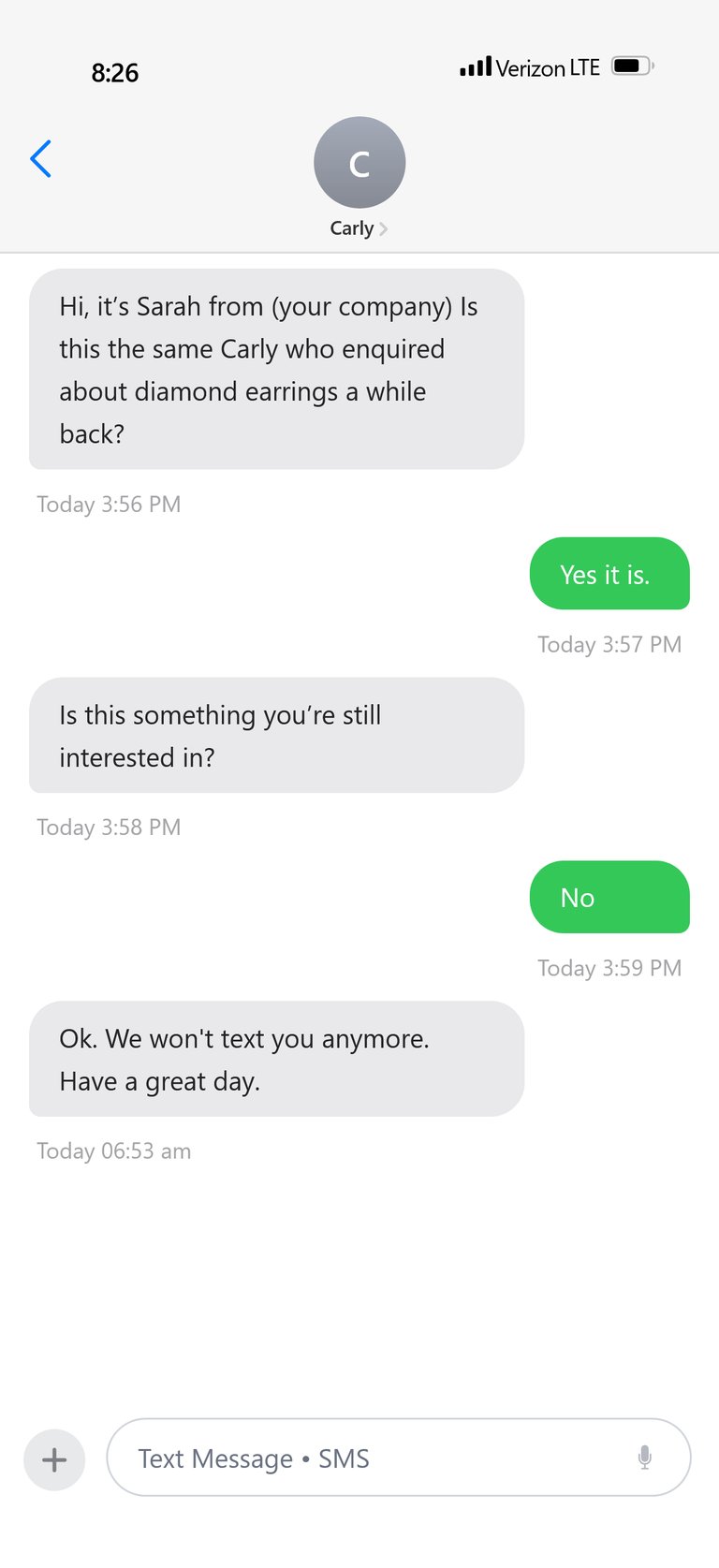
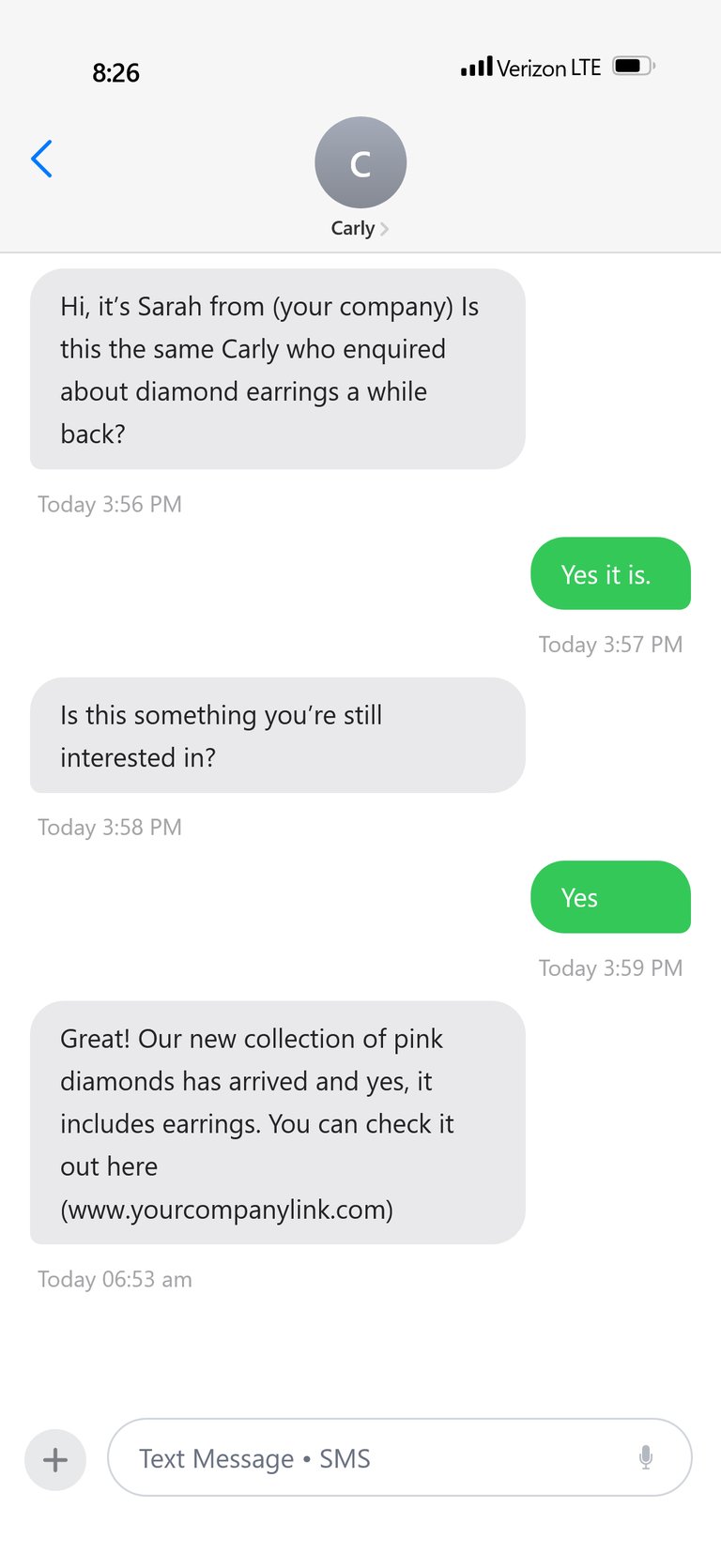
At Solis Web Tech, we help jewellery store owners and gemstone traders use AI marketing to drive engagement, reactivation and revenue. Our AI + SMS systems reach out to dormant databases through natural, conversational messaging that sounds human while being entirely automated.
All messages align with your brand tone and values while tracking every result in real time. There are no upfront costs. We work on a performance-only basis, meaning we win when you win.
Solis is designed for jewellers and gemstone dealers who value considered growth and clear follow-up. Making sure genuine enquiries are not quietly forgotten is a core part of our work, shaped by more than 30 years of hands-on marketing experience in high-trust, high-value sales. The approach is deliberately low-key and respectful, supporting your existing sales conversations without adding noise or complexity. If you would like to see how this works in practice, you can find me on LinkedIn and request a complimentary demonstration video.
How It Works
Contact Us
sylvana@soliswebtech.com
© 2025. All rights reserved.